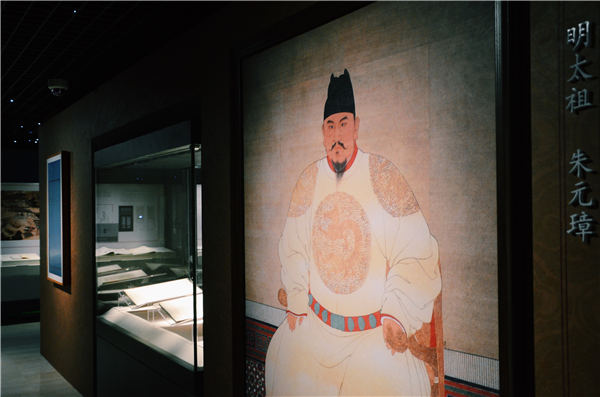
Emperor Yongle
Introduction
The Emperor Yongle, born Zhu Di, was the third emperor of the Ming Dynasty (1368-1644), ruling from 1403 to 1424. He is renowned for his ambitious projects and contributions to the Chinese cultural and political landscape. His reign marked a period of significant expansion and consolidation, with notable achievements including the commissioning of the Yongle Encyclopedia, the relocation of the capital to Beijing, and the construction of the Forbidden City. These endeavors symbolize his legacy and visionary leadership, which have left an indelible mark on Chinese history.
The Yongle Encyclopedia
One of the Emperor Yongle 's most remarkable accomplishments was commissioning the Yongle Encyclopedia in 1403, completed by 1408. This ambitious project aimed to compile the vast knowledge of Chinese classics into a single comprehensive work. Although much of the encyclopedia has been lost over time, its significance lies in its reflection of the rich knowledge system, humanistic spirit, and moral norms of the era. The Yongle Encyclopedia is a testament to the emperor's dedication to preserving and promoting Chinese culture and intellectual heritage.
The Forbidden City
The Emperor Yongle played a pivotal role in the construction of the Forbidden City in Beijing, one of the most iconic architectural achievements in Chinese history. Commissioned by the emperor, the Forbidden City served as the imperial palace for both the Ming and Qing dynasties. Built between 1406 and 1420, this palatial complex covers approximately 720,000 square meters and is encircled by a 10-meter high wall and a 52-meter wide moat. The Forbidden City was conceived as the center of the terrestrial world, echoing the cosmic significance attributed to the emperor's residence. Its architectural grandeur and centrality in imperial China underscore the Emperor Yongle's influence and vision.
Capital Relocation to Beijing
The decision to relocate the capital from Nanjing to Beijing was a strategic and transformative move orchestrated by the Emperor Yongle. This shift, undertaken around 600 years ago, was showcased in the joint exhibition '1420: From Nanjing to Beijing' at the Nanjing Municipal Museum. The exhibition displayed 340 cultural relics from the Ming Dynasty, illustrating the emperor's foresight in establishing Beijing as the new political and cultural center of China. This relocation was integral to his broader strategy of consolidating power and extending Ming influence.
The Ming Tombs
The Ming Tombs, including the Changling Tomb of the Emperor Yongle, are a testament to the grandeur and ritual significance associated with the Ming Dynasty. Located in the hinterland of northern Beijing, this mausoleum complex houses the remains of thirteen emperors and their consorts. The Changling Tomb, constructed in 1409, stands as the best-preserved Ming Dynasty imperial tomb, reflecting the architectural prowess of the era. The tomb's design, with its circular "treasure city" and solemn stone palace, underscores the Emperor Yongle's commitment to ensuring an enduring legacy in death as in life.
The Temple of Heaven
Commissioned by the Emperor Yongle in 1420, the Temple of Heaven was established as a site for making offerings to the god of Heaven. Located outside the southern gate of the imperial city, this temple complex is the world's largest architectural structure dedicated to heavenly worship. The Temple of Heaven's intricate design, with its circular mound and Hall of Prayer for Good Harvests, reflects the emperor's alignment with cosmological principles and his dedication to maintaining the divine mandate through ritual offerings. This architectural marvel, inscribed as a World Heritage Site in 1998, continues to symbolize the Ming Dynasty's cultural and spiritual heritage.
Peking Duck and Culinary Influence
The culinary tradition of Peking Duck, an iconic dish of Beijing cuisine, has its origins traced back to the Ming Dynasty under the Emperor Yongle. The relocation of the capital to Beijing brought royal chefs who innovated new methods for cooking duck, leading to the dish's enduring popularity. Peking Duck is renowned for its crispy skin and tender meat, often served with sweet bean paste and wrapped in thin crepes. Its preparation and presentation are emblematic of Beijing's sophisticated culinary culture, which continues to be celebrated worldwide.
Legacy and Historical Impact
The Emperor Yongle's reign was characterized by profound cultural, political, and architectural advancements. His efforts in commissioning the Yongle Encyclopedia, relocating the capital to Beijing, and constructing monumental structures like the Forbidden City and Temple of Heaven have left an enduring legacy. These achievements not only defined his era but also set the stage for future generations, contributing to the rich tapestry of Chinese history. The Emperor Yongle's visionary leadership and ambition are commemorated through exhibitions, architectural landmarks, and culinary traditions, ensuring his historical impact resonates to this day.








